The Migration of the Monarch

It takes four generations of monarch to reach its destination. That means the butterfly that leaves Canada in the mid-summer headed to Mexico is not the one that arrives, and vice versa. The butterfly that leave Mexico and arrives in Canada is four generations monarch later.
The monarch that lives the longest and travels the farthest, arriving in Mexico, is the same monarch. I think the monarch in Equinunk could very well be the same butterfly that makes the long trip to Mexico, thousands of miles away. The final generation, making the longest journey from Canada or eastern North America do not mate or lay eggs as they have the grand feat of traveling these great distances. Prior to their departure south, they experience diapause (reproduction is put on pause).
Just imagine a delicate butterfly flying from Equinunk to Central Mexico. They travel in search of the wintering grounds where they have never been before. When here, they winter in clusters in trees until weather and temperature conditions allow them to return to their breeding grounds.
Along the way they find refuge in stopover sites with nectar and shelter from weather. After several months in Mexico, they start the return North around March. It is the same Equinunk monarch. The diapause ceases and they start the cycle again as they lay eggs in northern Mexico and southern US. Once the eggs hatch and the monarch butterfly emerges, the next generation starts the journey North. The monarch that traveled to Mexico and started the next generation North lives about 9 months. All others in the generation live much shorter lives.
The cycle starts all over. There are several generations that take them north searching and breeding on milkweed, when the time is ready, they reverse and several generations bring them back to Mexico.
What can we do?
There are many organizations working to protect the monarch. Many organizations encourage: Creating habitat, education regarding monarch lifecycle, breeding monarchs for release, tracking migration.
Creating Habitat
The milkweed produces small clusters of flowers, in various colors and distinctive seed pods, thrive in sunny locations. Swamp milkweed prefer moist soil, they can be grown in gardens. There are several organizations promoting the growth of milkweed. In addition, there are different flowers that produce the desired nectar. It is encouraged to plant milkweed and the native flowers in your garden (and in your neighbor’s garden)!
There are several types of Milkweed:
Common milkweed grows 3-5 feet tall, hairy stems, broad leave, pink/;purple flowers, spreads aggressively via rhizomes (underground stems)
Swamp milkweed thrives in moist to wet soils, pink/purple flowers, clumping habit (forms a clump rather than spreading its roots), good for rain gardens
Butterfly weed Bright orange flowers, needs well-drained soil and full sun, clumping habit.
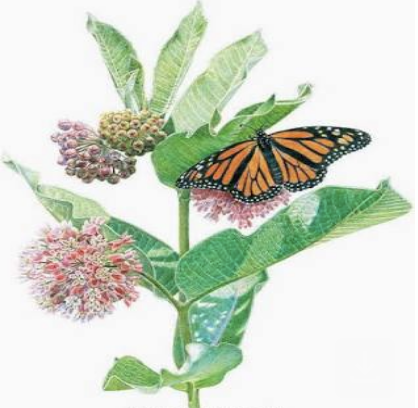


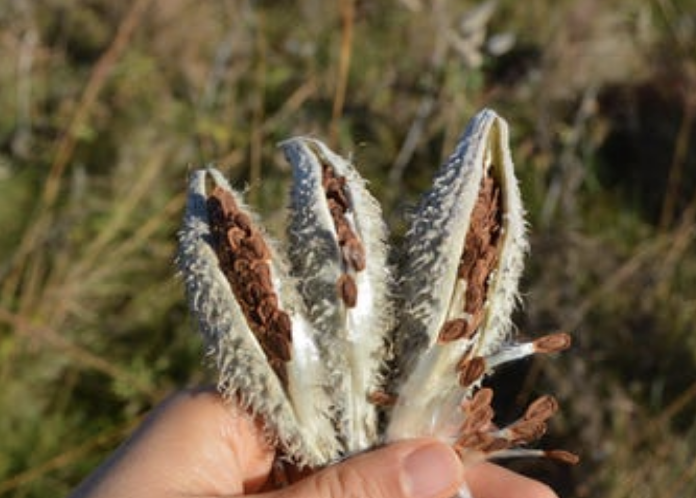
You can shop for milkweed for monarchs, Garden for Wildlife. Provides seeds for your specific area.
I have collected seeds as I walk and see milkweed scatter seeds at the lake and in Virginia to promote their growth.
Education
Be an ambassador of Monarch Education. Bring this information to schools, community centers, churches, anywhere you are involved. Get involved. The best way to protect monarchs is to “be in the know”. Educate!! You don’t have to have super monarch knowledge, simple it down, SAVE THE MONARCH. There are plenty of sources of information. I have listed some below.
Raise Monarchs
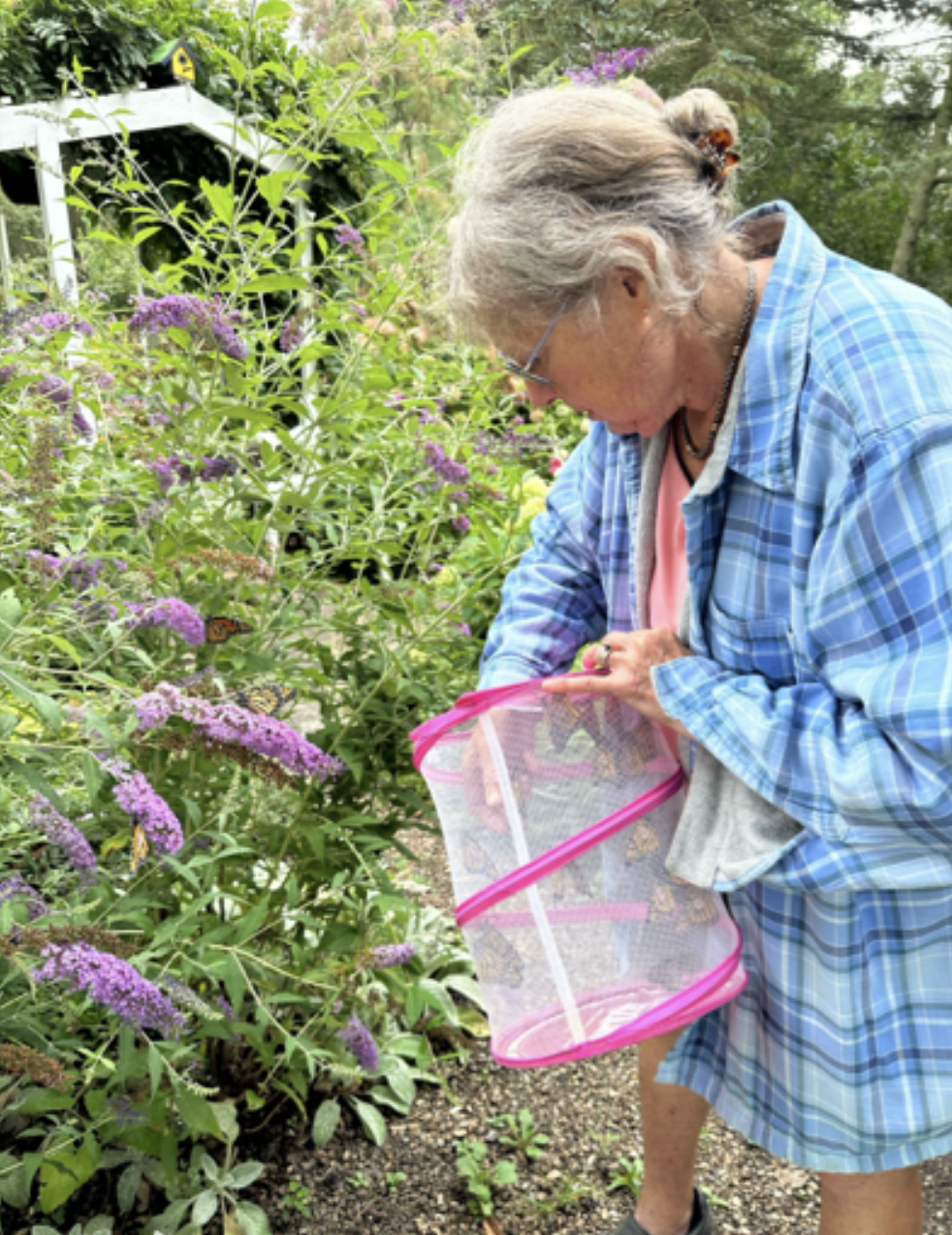
This is a fascinating project. My aunt has been doing this for several years. She plants a lot of milkweed in her garden, gathers the monarch eggs and puts them in mesh cages the whole time feeding them milkweed (she is often seen snipping milkweed along the roadside to feed the ravenous caterpillars).
Once the caterpillar is ready to go into the pupa stage (the chrysalis) they attach to something in the mesh cage. It is amazing to watch this process happen. In time, the butterfly leaves the chrysalis, rests and dries its wings. Before releasing the butterfly from the mesh cage, she places a small (very small) tag on the wing. When the temperature is right, and within a day of emerging, she carries the monarch to flowers that produce the nectar the monarch likes in order to help it start its new life.
Last year she released over 400 monarchs in her garden. One summer, visiting Duck Harbor, she brought the mesh cage as timing would have it, they were emerging from the chrysalis. She released the monarchs at the lake.